

On June 14, 2025, the United States Armed Forces will celebrate its 250th anniversary–a milestone that marks two and a half centuries of military service, sacrifice, and evolution. The origins of the U.S. military can be traced back to the early days of the American Revolutionary War, when the need for a unified fighting force became critical to the colonies’ struggle for independence.
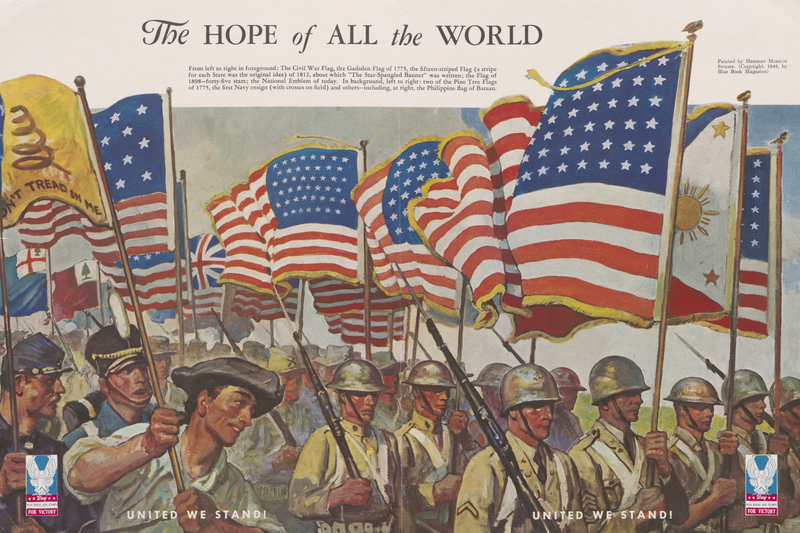
The official birth of the U.S. Army occurred on June 14, 1775, when the Second Continental Congress authorized the formation of the Continental Army. George Washington was appointed as its commander-in-chief the following day. This decision came amid rising tensions with Great Britain and the outbreak of hostilities in Massachusetts. The fledgling army was composed largely of colonial militias, who had little training or cohesion. Under Washington’s leadership, however, they would go on to endure and eventually triumph over one of the most powerful military forces in the world.
Following the formation of the Army, the Continental Congress took additional steps to build a more comprehensive military. On October 13, 1775, it authorized the creation of the Continental Navy to disrupt British supply lines and protect American interests at sea. The Continental Marines was established shortly thereafter on November 10, 1775, tasked with serving aboard naval vessels and conducting amphibious operations.
These early services were demobilized or severely reduced after the Revolutionary War, reflecting the young nation’s distrust of standing armies and preference for local militias. Yet international threats and internal conflicts soon demonstrated the necessity of a permanent military. The U.S. Navy was formally re-established in 1794, and the Marine Corps was reconstituted in 1798. The Army remained a standing force, though relatively small in peacetime.
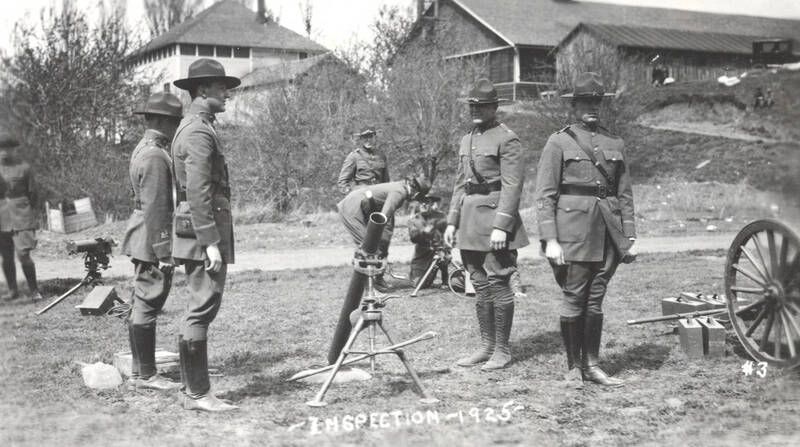
The University of Idaho’s connection to the U.S. Armed Forces is baked into its founding and stretches from 1889 to the present. Land-grant universities created through the Morrill Act, including U of I, were required to educate young men in military science. Just a handful of years after the school’s founding, thirty-nine cadets and university commandant Lieutenant Edward Chrisman volunteered to fight in the Spanish-American War. That figure represented the highest ratio of volunteers to students of any college in the country. Historian Keith Petersen described the deep commitment the university felt to the students and faculty who served their country during times of conflict and need. “The university did not forget its volunteers. Faculty and students sent them books and a 200-pound Christmas box. When the war ended, Moscow and the university welcomed them home with a gala parade and celebration in September 1899.”
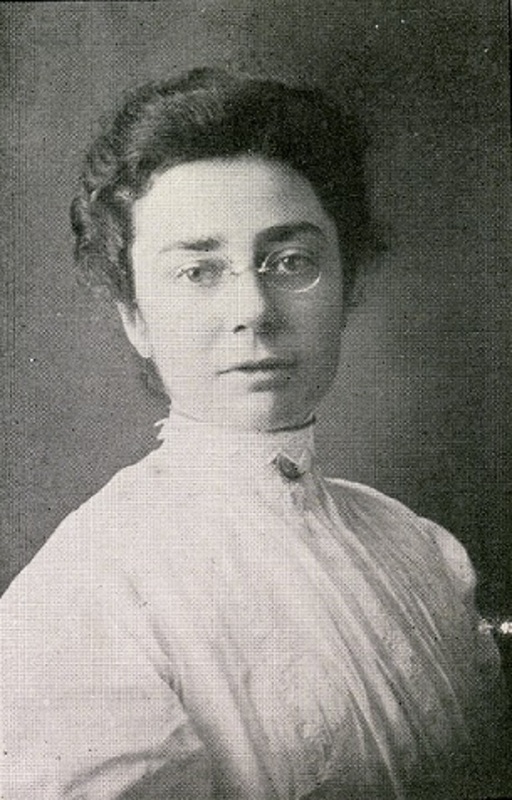
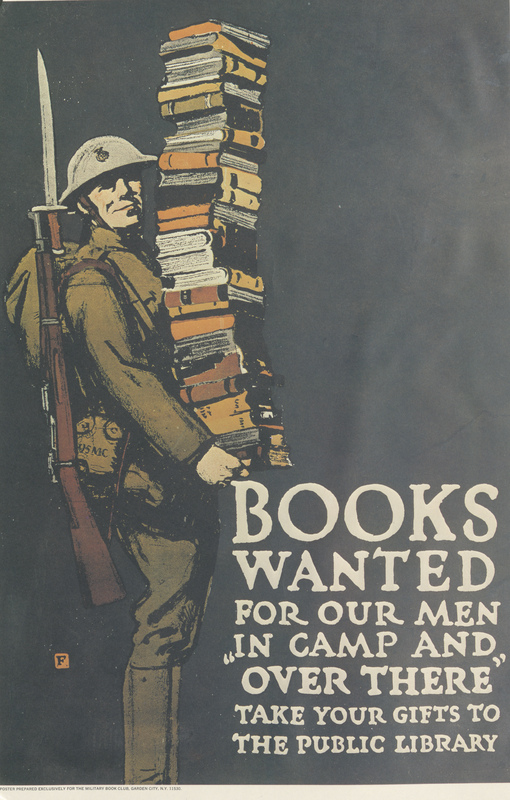
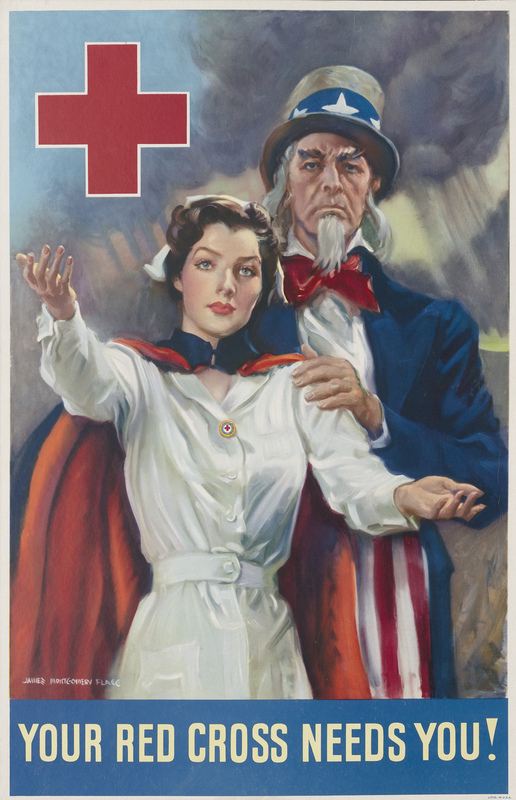
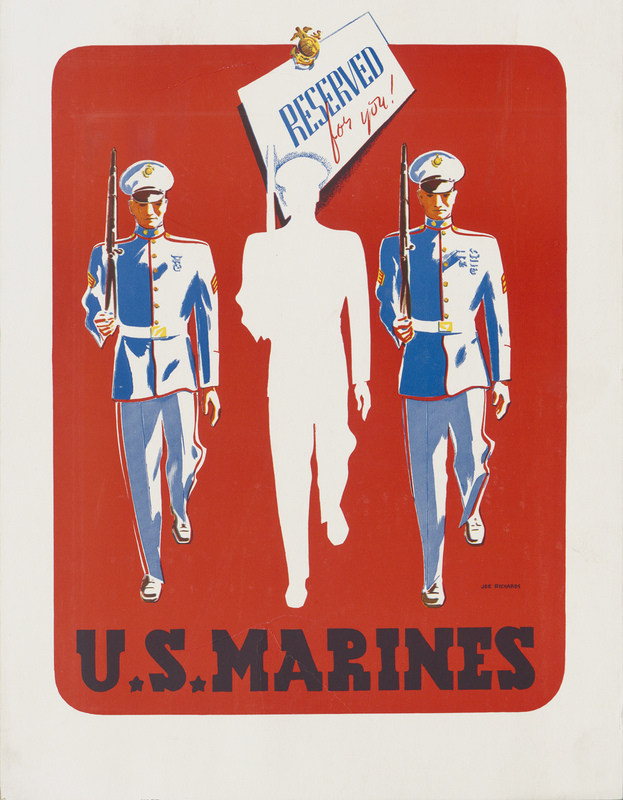
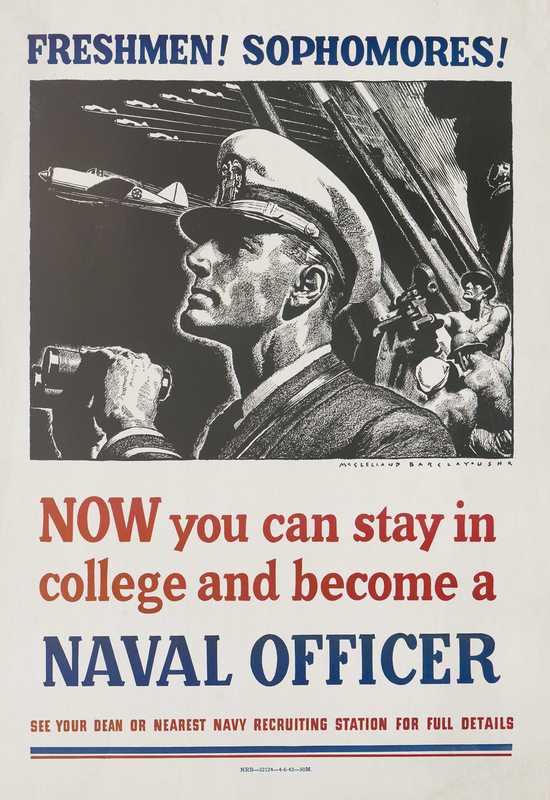
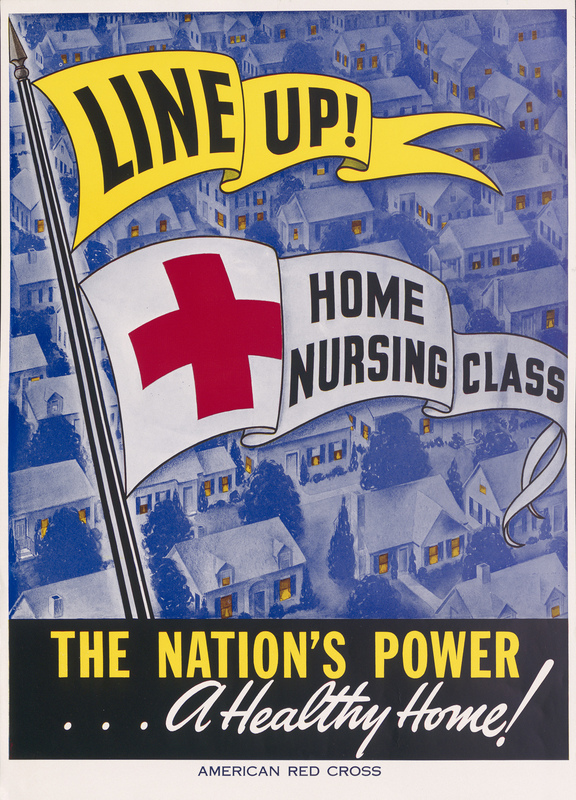
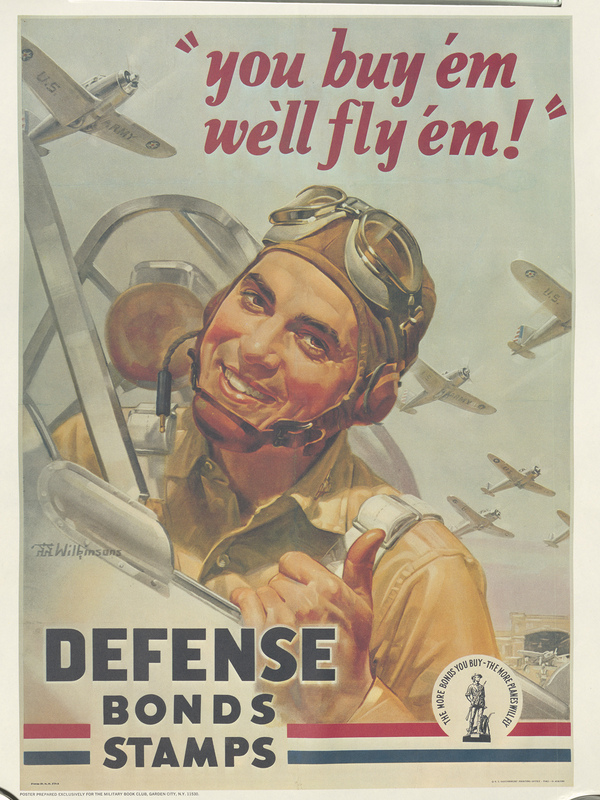
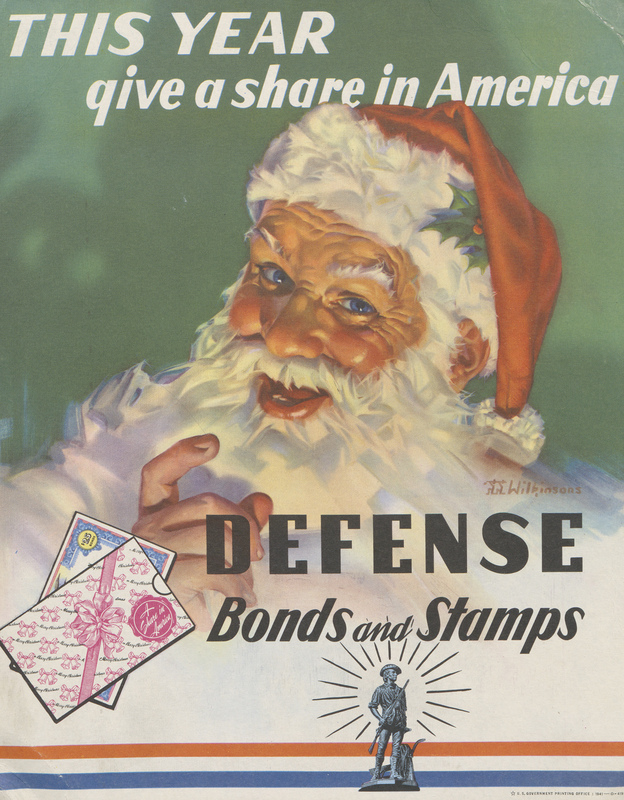
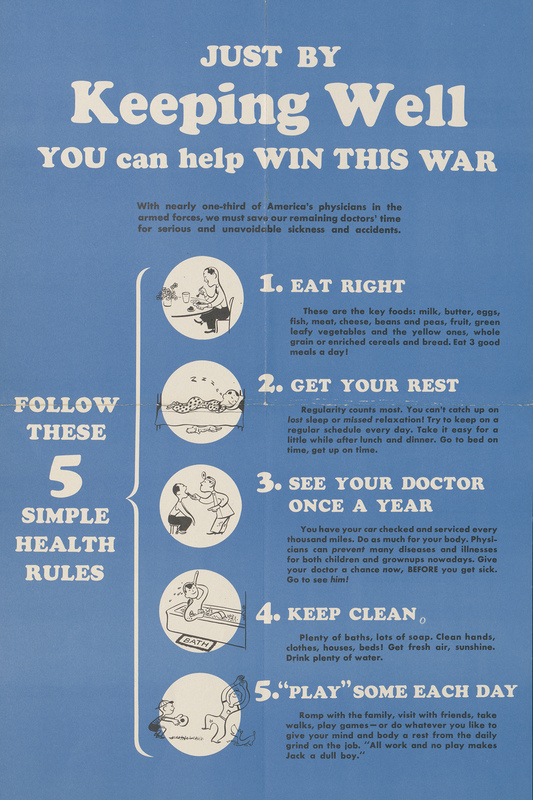
While military training remained a requirement for all male students into the 1960s, recruitment by the U.S. Armed Forces was as important on U of I’s campus as it was throughout the country, especially during the world wars of the 20th century. One of the University Library’s more visually striking archival collections is comprised of dozens of military recruitment and propaganda posters, gathered together by long-time librarian Belle Sweet. Though not trained as an archivist, Sweet understood the historic value of WWI and WWII publications.
In 1918, she started sending out a frenzy of letters requesting poster prints from libraries, federal bureaus, and any other place she found a listing. Her commitment to building the archive even led her to seek support from U.S. Senator William Borah:
“I should appreciate it very much if you could send us any or all of those used in connection with the first and second Liberty Loans, those used for recruiting purposes by the army, navy, and marines during 1917, and those used by the Red Cross early last year… [they would be] kept for their permanent historical value and therefore it is important that the collection be as representative and complete as possible.”
She collected and preserved a remarkable number of posters from the period, believing they would be important to students and researchers in the future. Today the Library’s Special Collections and Archives department continues to care for the items and is in the process of digitizing the posters for wider access.
Following the conclusion of World War I, Ms. Sweet actively sought out posters again in 1937 and continued her efforts throughout World War II. Sweet’s collecting preserved an important part of the Armed Forces’ history, both abroad and the support it garnered on the homefront.
Throughout its 250-year history, the U.S. Armed Forces have played a central role in defending the Constitution, supporting allies, and responding to global crises. The anniversary on June 14, 2025, honors not just the establishment of the Army, but the enduring legacy of all service members who have contributed to the nation’s defense. It is a time to reflect on both the past achievements and the evolving challenges that lie ahead.
Below are a few samples from the World War II posters in the Belle Sweet Collection. We’re actively preparing and organizing the collection to make it accessible to the public. During this process, it will be temporarily unavailable for viewing in person.

(This piece first appeared in the Moscow-Pullman Daily News.)