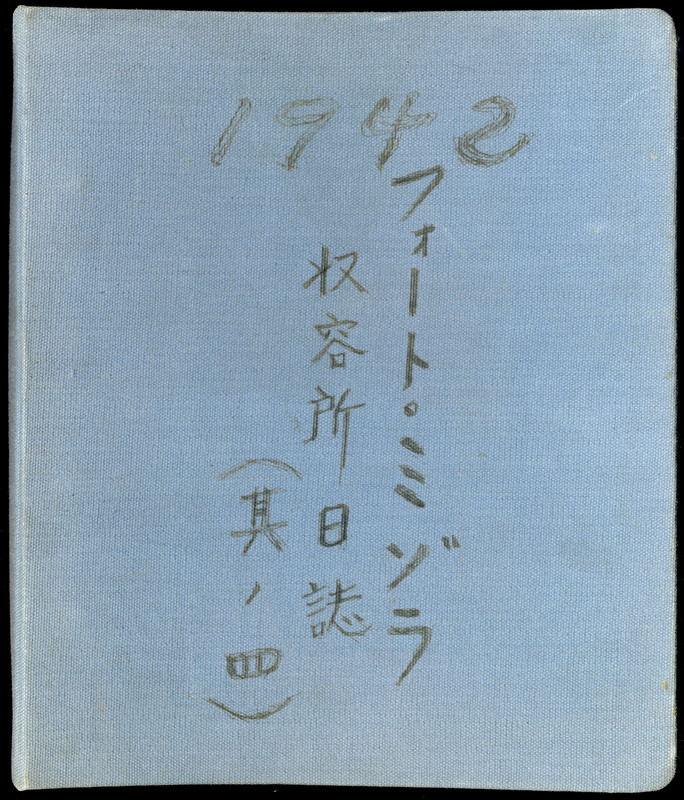

The University of Idaho Library’s newest digital collection is unique in several ways. First, it is a daily diary that chronicles the musings and grievances of Bunro Sakaino over the course of a year, capturing one man’s unfiltered experience in a way that is rare in the historical record. Second, Sakaino was a Japanese immigrant to the U.S. whose associations with organizations and newspapers sympathetic to his homeland during World War II resulted in his arrest.
The diary authored by Sakaino covers time he spent incarcerated at forts and camps in Montana, Oklahoma, and Louisiana. Third, the diary was primarily handwritten in Japanese, making its contents inaccessible to most users of the library’s archive. The new digital collection presents scans of the original record alongside translated text developed by an expert with the Seattle-based Densho over the last two years.
To appreciate the unique historical record that Sakaino’s diary offers, one must understand why he was incarcerated. On February 19, 1942, President Franklin Roosevelt issued Executive Order 9066, ostensibly in response to the Japanese bombing of Pearl Harbor, Hawaii, just two months earlier. Anti-Japanese sentiment, however, long preceded the law that would make it illegal for people of Japanese descent to reside on America’s west coast for the duration of World War II.
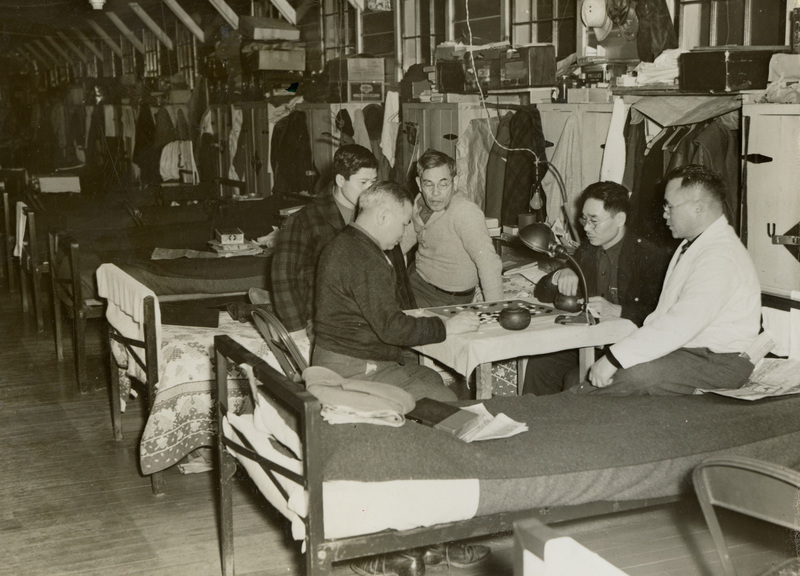
EO 9066 was written broadly to give the military authority to exclude any person from any area it deemed a vital interest to the nation, though in practice it was used almost exclusively to force Japanese residents and Japanese-Americans from their homes in Alaska, Washington, Oregon, and California. A small number of Italian and German immigrants were also subject to the enforcement of EO 9066.
More than 100,000 Japanese and Japanese-Americans were detained in hastily-built camps in America’s interior, at the time called “relocation centers.” Survivors of the detention and contemporary scholars today refer to places like Idaho’s Minidoka as concentration or incarceration camps. The latter terms better reflect the presumption of guilt and lack of self-determination experienced by families swept up in the execution of EO 9066.
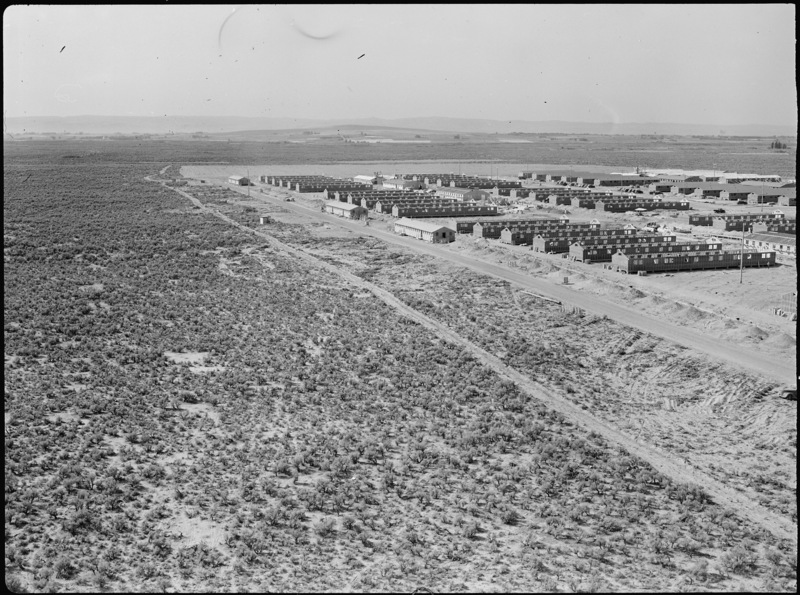
The majority of incarcerees were sent to one of ten major concentration camps, while a smaller number of mostly men arrested under orders from the Department of Justice were housed at prison-style camps like the one at Kooskia, Idaho. Such was the case for Bunro Sakaino, who opens his journal with an entry from Fort Missoula.
Sakaino’s diary entries are at times profound and at other times mundane. On March 25, 1942, he reflected on being in custody for almost three months, writing “I’m not sure about my fellow residents of the 25th barracks. They are gaining a certain level of calmness and endurance, but at the same time, frustration and the feeling of missing life is boiling up at the bottom of our hearts. Those feelings surface and burst, and it is such a pity to have them explode on occasions day after day.” Feelings of frustration and discontent pepper the record. Yet, even under the duress of imprisonment, Sakaino’s daily entries remind us that life marched on.
In just the course of a week in February 1943, he shared news of a fellow prisoner’s daughter marrying in Denver, attending a lecture on Buddhism, enduring a mild stomach ache, and learning that singing lessons were beginning in the camp. Of the latter development, he wrote “The instructors are not that great, but…it doesn’t matter. Singing is the best tool to change one’s mood, and I would encourage everyone to try it.”
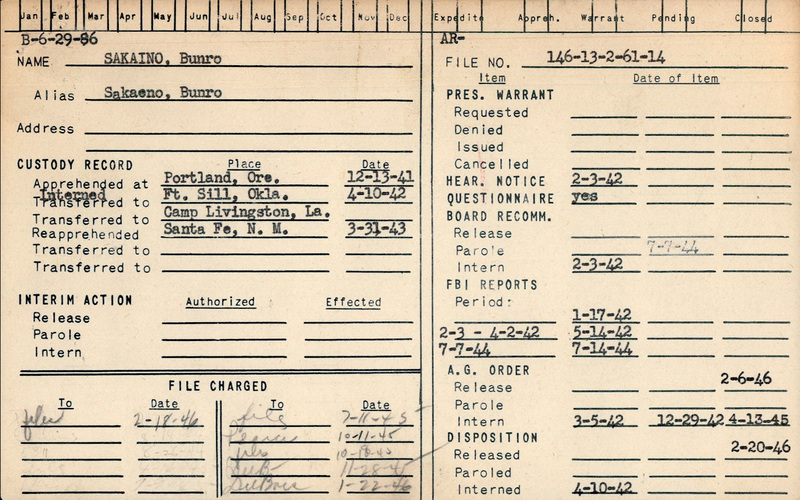
Creating online access to the Bunro Sakaino Concentration Camp Diary was made possible with generous support from the Terry Abraham Endowment. Abraham led U of I Library’s Special Collections and Archives for many years, and with his wife Priscilla Wegars worked diligently for the preservation of Pacific Northwest history, particularly the roles and lives of Asians and Asian Americans in the region. Visit Bunro Sakaino Concentration Camp Diary to explore the digital collection and learn more.