

This spring the University of Idaho Library launched a new digital collection that offers a unique window into the political, social, and journalistic history of Idaho in the latter half of the twentieth century. Built from the papers of Ben J. Plastino, a longtime reporter and editor for the Idaho Falls Post Register, the digital collection reflects more than five decades of close observation of Idaho’s political landscape. By presenting these materials on an easily navigable platform, the Ben J. Plastino Papers Digital Collection has significantly expanded access to a body of work that was once limited to physical archives.
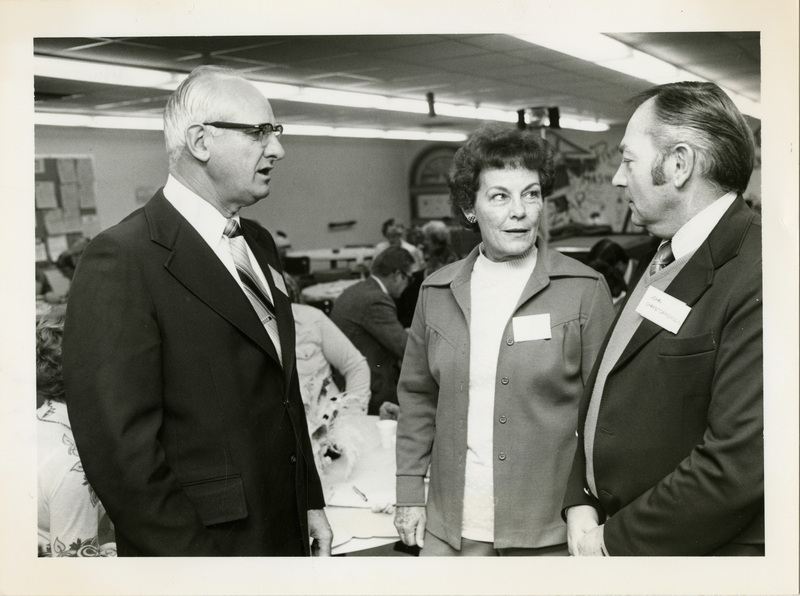
The collection spans the years 1947 to 1998 and includes over 900 political articles and opinion pieces authored by Plastino during his career in Idaho Falls. Before joining the Post Register staff, Plastino graduated from U of I with a degree in journalism in 1932 and worked for nearly a decade at the Lewiston Morning Tribune. In addition to his writings, the digital collection features photographs taken by Plastino, correspondence with elected officials and political figures, and copies of books he authored. Together, these materials provide a multifaceted view of both the journalist himself and the broader political landscape of Idaho during a period of significant change.
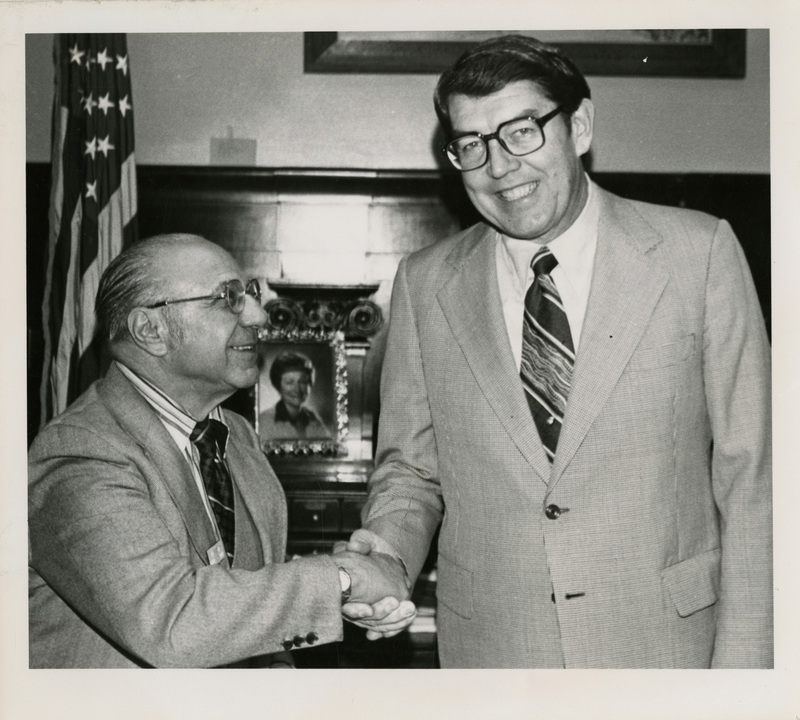
One of the most valuable aspects of the Plastino Digital Collection is its depth of coverage on state and regional politics. Plastino reported extensively on legislative debates, elections, public policy issues, and the evolving priorities of Idaho’s government. Individual articles in the collection address topics such as education funding, tax policy, election systems, and state symbols, illustrating the wide range of issues that shaped public life in Idaho. Plastino’s coverage, for example, of the Idaho National Engineering Laboratory throughout the 1980s reflects mixed sentiments among legislators and the public about providing economic incentives to the facility, how the site’s nuclear waste was managed, and what the future of nuclear energy meant for Idahoans.
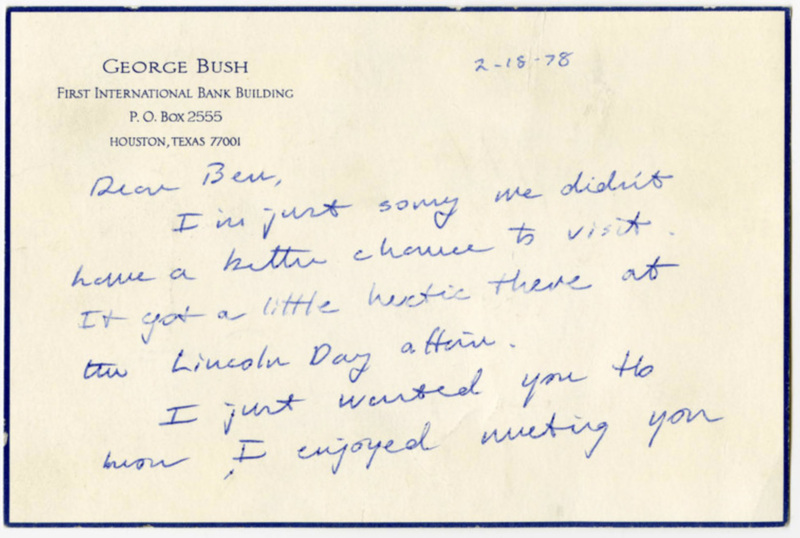
The collection is also significant for what it reveals about the role of journalism in shaping public understanding. Plastino’s career was defined by his professional relationships with policymakers and his sustained coverage of Idaho’s legislature and political figures. His writings document not only the decisions made by those in power but also the processes, debates, and public sentiments that influenced those decisions. As such, the collection serves as both a historical record and a case study in the practice of political journalism. Among the items online one can find personal letters to Plastino from George H.W. Bush, Nancy Reagan, Frank Church, Cecil D. Andrus, and many more.
Visit Ben J. Plastino Papers to learn more about Plastino’s career and to explore individual items by subject matter, chronological order, or by politician. Those with an interest in journalism, political science, and regional history will surely find articles of interest. By providing insight into the intersections of journalism and politics, moreover, the collection underscores the enduring importance of local reporting in documenting and interpreting the life of a community.
(This piece first appeared in the Moscow-Pullman Daily News.)