
The archival collections cared for by the University of Idaho Library come in all shapes and sizes. There are large record sets from elected officials measured in the hundreds of cubic feet. There are dozens of hours of reel-to-reel film that captured Vandal football and basketball games and scrimmages. There are even sizable collections of original artwork donated by science fiction fans. Smaller groupings include a handful of Babylonian tablets, a stack of dance cards collected by a university co-ed, and the handwritten letters of a Civil War soldier. Each preserved collection has the ability to capture a moment in time and offer a window onto the past.
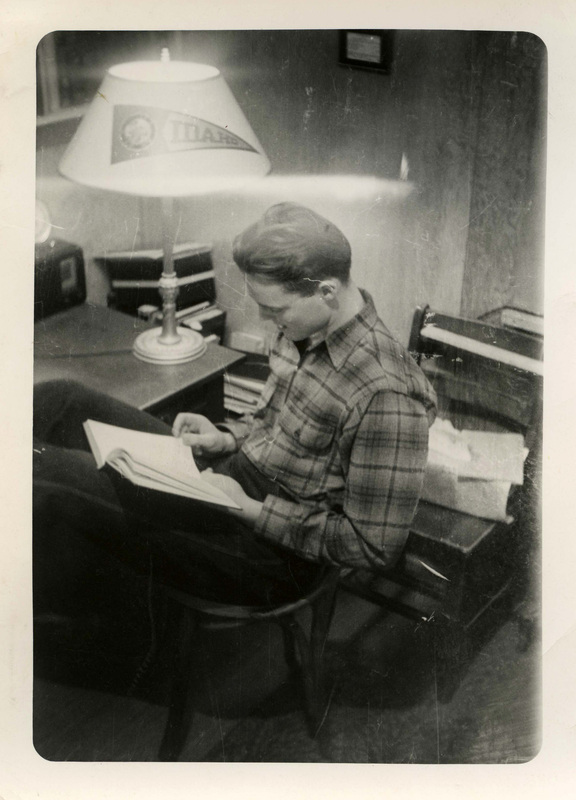
Take, for example, the photos of Franklin Raney. Raney was born and raised in Spokane in the years between World Wars I and II. Following his graduation from Lewis and Clark High School in 1939, Raney enrolled at the University of Idaho. Like many young men of that generation, he was called away from collegiate studies to serve his country just a few years later. According to his obituary, he remained with the Army Air Corps through the end of WWII. In later years he received advanced degrees from Washington State College and UC Berkeley.
Although he never returned to Moscow as a student, Raney remembered his short time at U of I fondly. His memories were augmented by a personal photograph collection he created as a student. Among the snapshots there were portraits of friends and professors, pictures of campus buildings, and landscape shots from around the region.
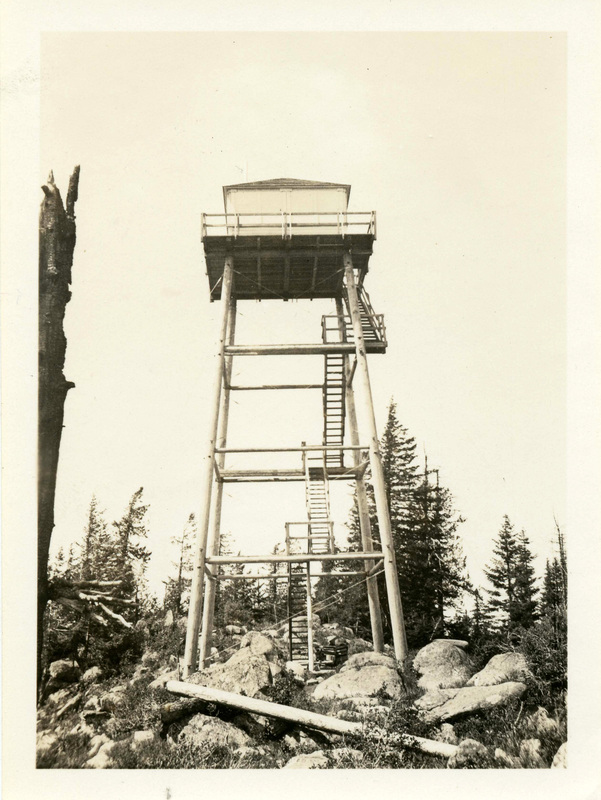
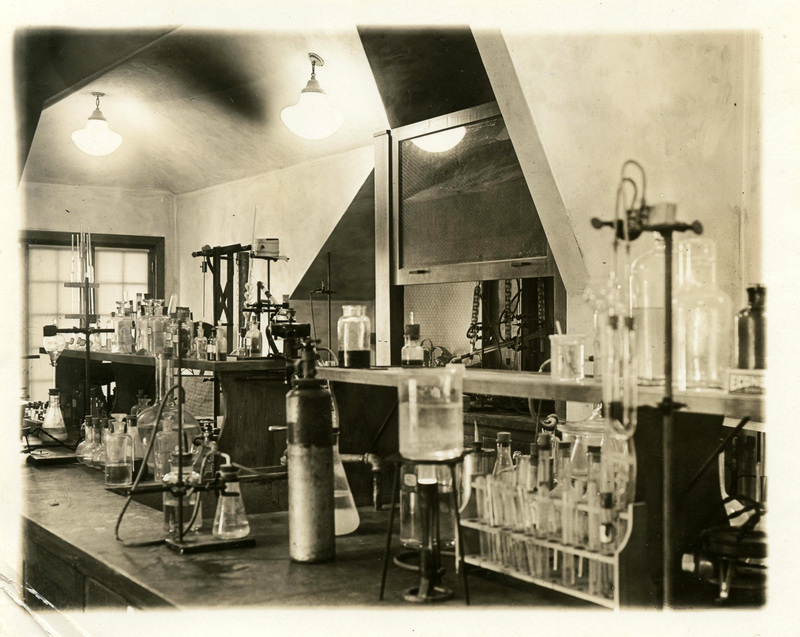
Raney studied forestry, and took frequent field trips to Moscow Mountain. His picture of the former lookout tower on East Moscow Mountain reflected bygone fire surveillance practices in our community. Another of his photos captured the inside of a forestry lab where students studied blister rust. Blister rust was a major concern for timber producers by the 1930s, and many at the university were dedicated to saving the state’s highly-susceptible western white pines.
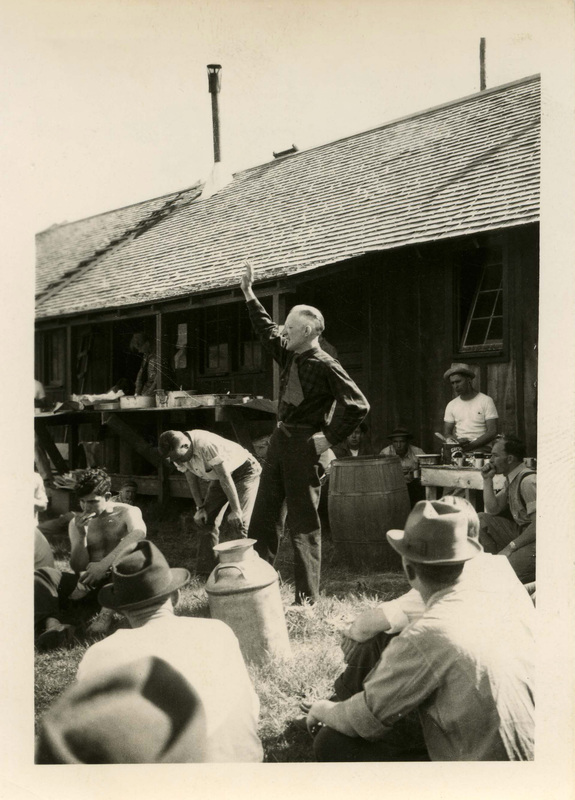
The candid pictures of people in Franklin Raney’s photo collection are particularly charming. A photo of Dwight Jeffers caught the Dean of the Forestry School in the middle of a lecture, surrounded by students. Expressions on faces in the crowd ranged from attentive to exhausted, and many were indulging in the lunch spread laid out in the background. Years before the term “experiential learning” was ever coined, Raney and his classmates were clearly engaged in practical educational excursions.
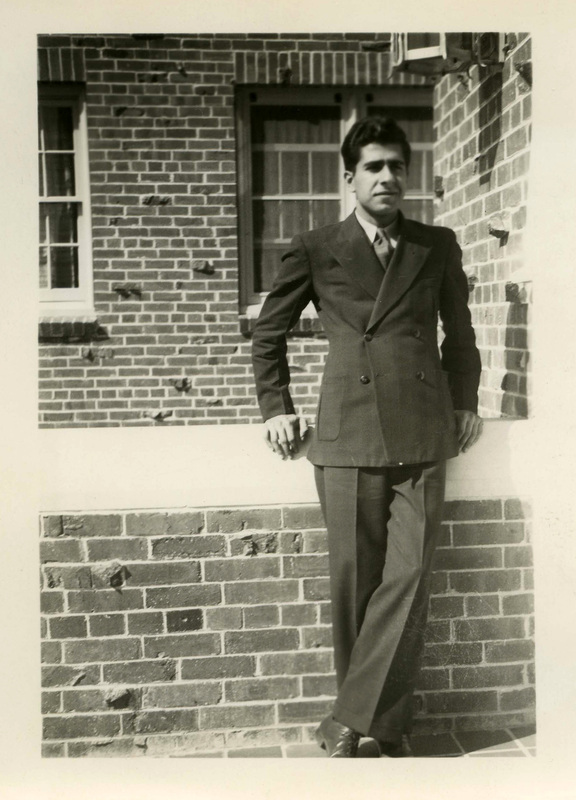
Before the 1930s, taking impromptu portraits of friends or an everyday scene was relatively uncommon because cameras were expensive and cumbersome. As Raney came of age, however, a “camera craze” swept across the country. According to the Smithsonian Institution “in the mid-1930s, a number of developments made photography a rapidly growing hobby. In 1932, Kodak introduced the first 8 mm amateur motion picture film. In 1934, the Kodak Retina camera hit the market, the first camera to use the 35mm cartridges that prevailed until the digital era.” A photo of Phil Habib in 1941 shows a dapper young man destined for distinguished service in WWII and a long career as an American diplomat.
In 1992, Franklin Raney donated the small collection of photos from his years as a student to the University Library. His gift augmented the photographic record of U of I and provided future researchers a chance to imagine university life in another time. You can explore all of Raney’s photos online by visiting https://www.lib.uidaho.edu/digital/raney/.
(This piece first appeared in the Moscow-Pullman Daily News.)