

There are many lovely ways to spend a sunny summer weekend, but few seem so quintessentially Idahoan as fly fishing on one of the region’s coldwater rivers and lakes. Idaho is home to some of the country’s best trout fishing waters, like Toxaway Lake high in the Sawtooth Mountains, Silver Creek tucked into the Magic Valley, and, closer to home, the North Fork of the Coeur d’Alene River. Utilized for time immemorial by Indigenous peoples, these water systems have long attracted the attention of fishermen looking for sustenance and for sport. Fly fishing traces its particular methodology to European anglers who recognized the value of creating lures that mimicked insects and using a long rod to cast them out into the water. Eastern European records indicated fly fishing was developed more than 1,800 years ago.
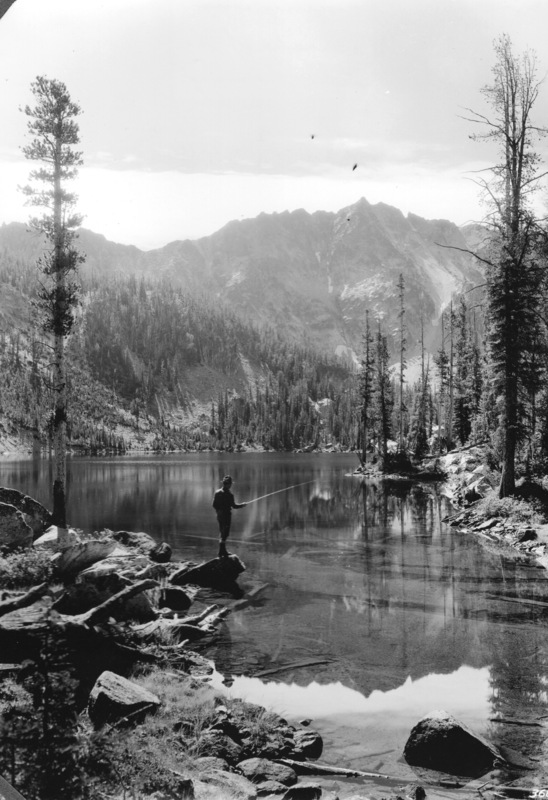
In the late 19th century, fly fishing was an activity primarily reserved for wealthy men. It represented a particular financial status because it required specialized gear and was dedicated to leisure rather than harvesting enough food to feed one’s family. It was also an activity that encouraged men otherwise working in office jobs to spend time in nature, under conditions that tested their mettle. During an era when Theodore Roosevelt encouraged a rugged brand of masculinity, fly fishing provided an enticing salve for men fearful that their metropolitan lifestyle could lead to American ruin.
Fly fishing also received a boost in interest in the years following World War II. Returning GIs sought the peace and tranquility that quiet mountain streams offered. Consumer products like floating nylon fly lines and fiberglass rods were made widely available by manufacturers that benefitted from technological advances achieved during the war. Good roads and reliable cars made it possible for whole families to head out into the woods for sport and relaxation.
Abundant populations of native trout and salmon have made the American West a prized destination for fly fishers. The importance of fly fishing to Idaho and the Inland Northwest are evident in the archival holdings at U of I’s Library. Two major collections are particularly rich in detail and offer insights into the historic significance of the sport in our region as well as how contemporary relationships with fly fishing have evolved.
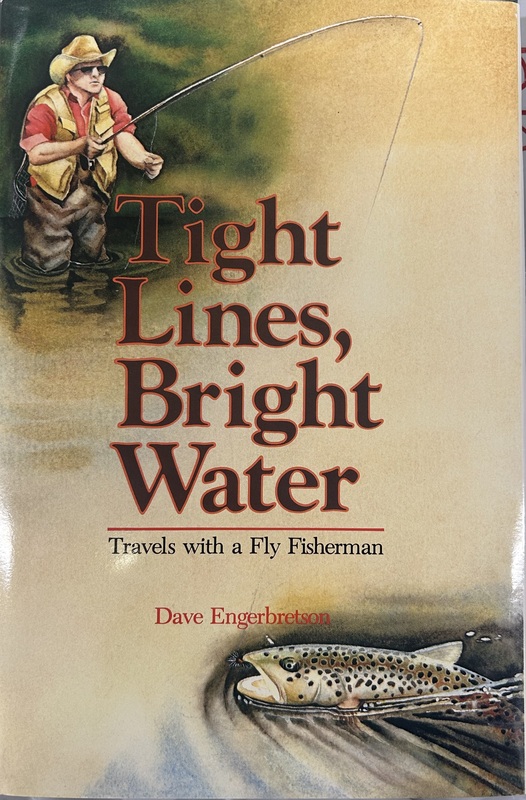
The Engerbretson Fly Fishing Book collection contains nearly 300 books about the sport, donated by the late David Engerbretson, a professor at WSU, and by Duke Parkening, a longtime Idaho angler. Engerbretson was an author himself, publishing “Tight Lines, Bright Water” in 1986, along with numerous magazine articles. He was a commercial fly tier for Orvis Company, a licensed guide, and the host of a popular PBS series called “ Fly-tying, The Angler’s Art.” Titles in the book collection can be located using the Library’s general catalog at lib.uidaho.edu.
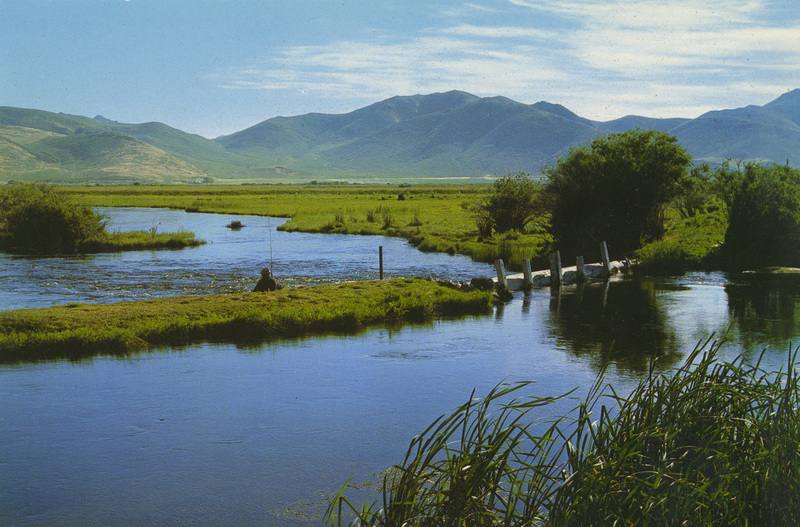
A second collection of note for fly fishing enthusiasts is Fenton Roskelley’s papers. Roskelley graduated from U of I in 1938 with a degree in journalism before serving in WWII. He returned to Spokane after the end of the war, where he worked for the Spokesman-Review and Spokane Daily Chronicle for more than 60 years. One of the first members of the Inland Empire Fly Fishing Club (IEFFC), founded in 1956, he wrote and edited the club’s newsletter and edited their fly pattern book. His archival collection contains both clippings from his professional portfolio as well as pictures illustrating some of the places he fished and flies he tied over his lifetime. Learn more about Roskelley’s collection and others related to fly fishing by visiting archiveswest.orbiscascade.org. Our colleagues at WSU’s Manuscripts, Archives, and Special Collections also have an impressive array of resources.
(This piece first appeared in the Moscow-Pullman Daily News).