

If you’ve walked through the University of Idaho campus this summer, you’ll likely have encountered plenty of activity. The Santa Clara Vanguard Drum and Bugle Corps rehearsed for weeks on the football practice field and patches of lawn around campus, treating the public to a free concert in the Kibbie Dome in late June. Currently, hundreds of young people attending summer camp stream between dorms and various activities on campus. By the end of July, Vandals football camp will be underway. And although most students have departed for the summer, many have remained on campus to take in-person classes.
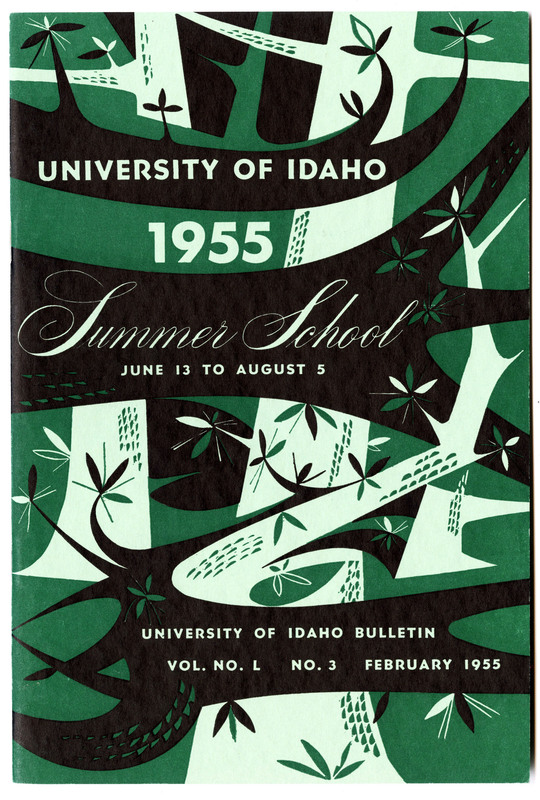
The University of Idaho, like many institutions of higher education, has spent decades developing its summer activities into something more than just an opportunity to make up coursework. Records from the university’s Summer Session Office, dating back to 1943, show a gradual shift in focus from straightforward educational programming to a schedule full of camps, conferences, outdoor recreation and community gatherings.
The Summer Session Office’s records begin during World War II, when pitches to students for summer attendance were blunt and martial in tone. A poster for summer term 1943 at the University of Idaho stated: “We need to know how to fight, and we need to know how to live. The schools must prepare for the former and teach the latter.” Attending summer term was framed as a patriotic obligation, a way to train men and women in wartime.
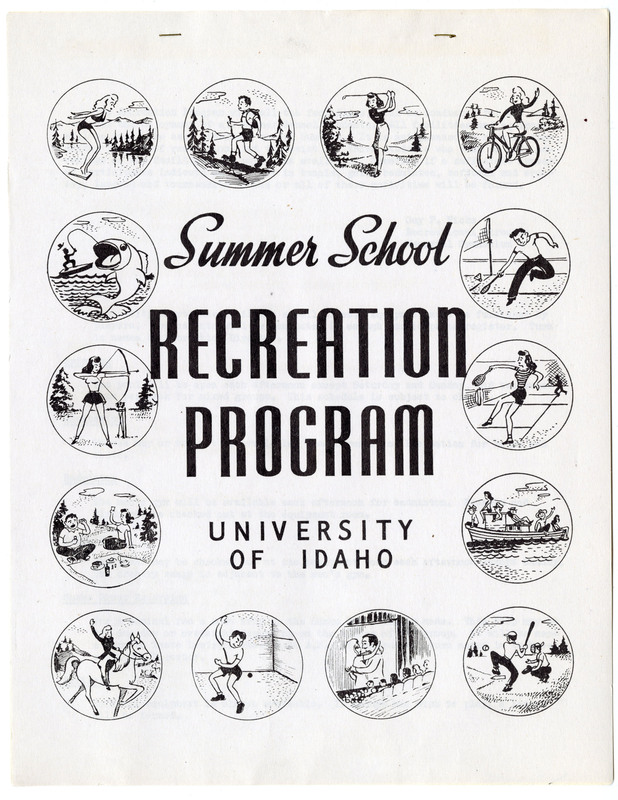
Following World War II, summer session was gradually framed as less like an opportunity to catch up on coursework and more like a destination summer camp. In advertising for the summer session, the university highlighted the appeal of Moscow’s location, “A region of fields and forests, mountains and lakes. The cool, invigorating climate is ideal for summer study and recreation.” Opportunities for recreation made the most of north Idaho’s outdoors. In 1946, dozens of students took a boat trip on the Snake River, and for a time the university offered horse-riding lessons to students. Interspersed among course offerings were concerts, drama productions, guest lectures, and frequent social functions for faculty and students.
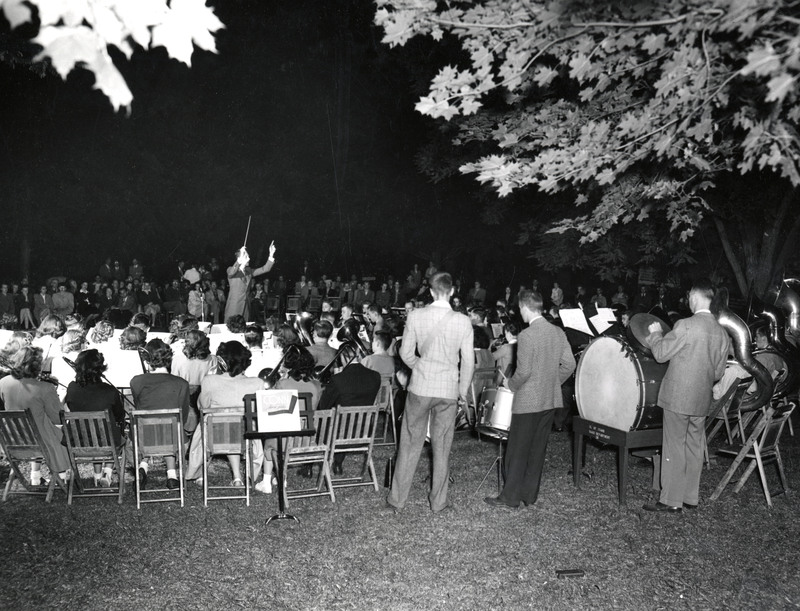
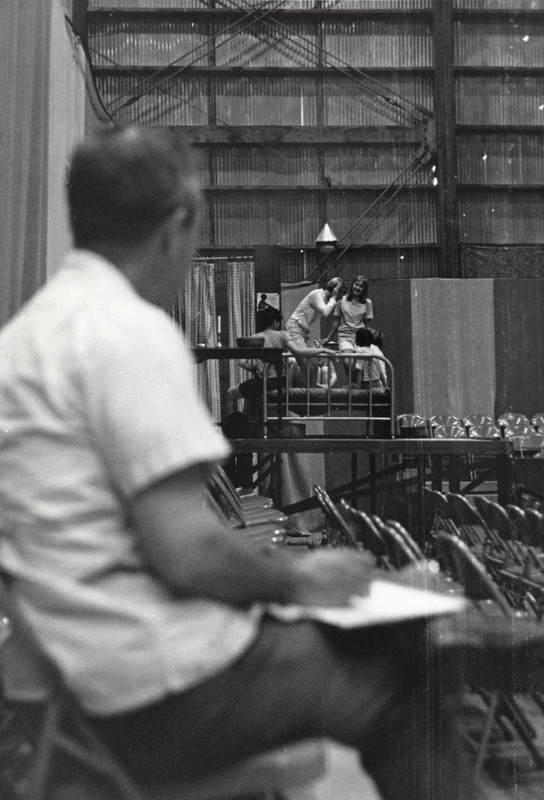
The Summer Session Office advertised summer activities for more than just University of Idaho students. The campus was open each summer to teachers, musicians, high school students and civic groups from across the state. Summer music camps, now a fixture of the university’s summer programming, wasn’t settled on until 1945, when a statewide survey indicated that Idaho residents wanted more music opportunities for students. Idaho county superintendents held an annual conference on the University of Idaho campus for many years. Meetings and workshops of all kinds proliferated on the summer schedule throughout the 1950s and 1960s, ranging from writers’ workshops and speech courses to instrument repair labs and aviation education programs.
In 1966, President Ernest Hartung acknowledged this shift in the university’s approach to summer session. He wrote that for many years summer programs at universities and colleges had been treated as “somewhat superficial adjuncts to year-around operation, aimed primarily at serving the needs of one or two rather small professional groups and of helping to salvage the records of those unfortunate undergraduates who had failed one or more subjects during their regular academic semesters.” In more recent decades, he continued, the “knowledge explosion” and society’s growing need for more training, education, and service capacity was leading to a reevaluation of summer sessions. His conclusion: the “summer session is fully as vital a part of the University’s total operation as any of the programs which it sponsors during the rest of the year.”
(This piece first appeared in the Moscow-Pullman Daily News)