
“A breeze stirred the ripening wheat and sent it splashing against the mountain shores. I was home. For the first time in ten years I was home. I had driven 487 miles that day, but I felt rested” (1949).
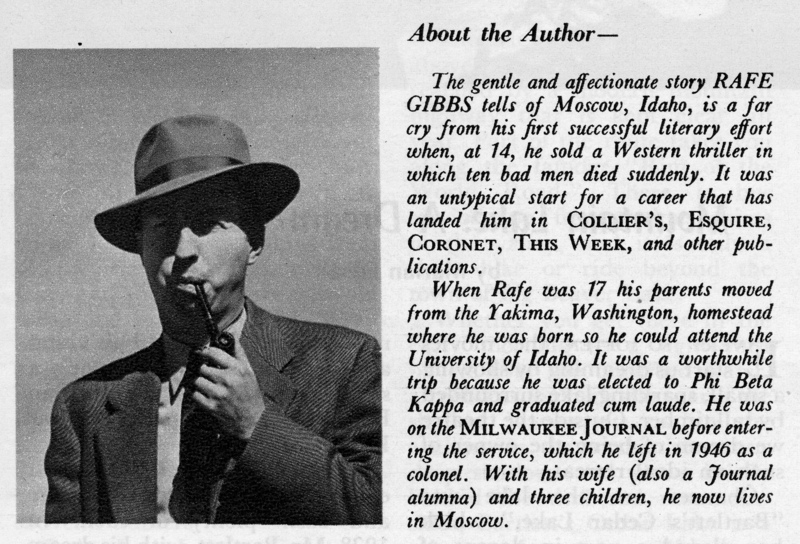
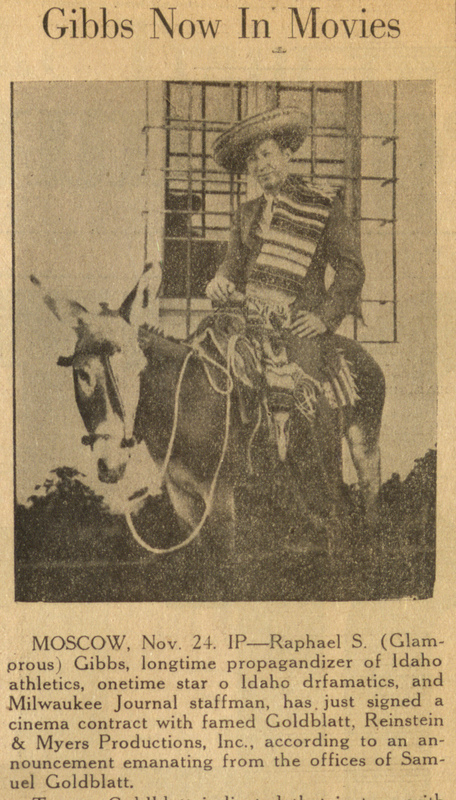
Rafe Gibbs didn’t expect to return to Moscow, Idaho. The U of I alumnus, educator, and writer majored in journalism and in 1936 moved to Milwaukee, Wisconsin to work on the eponymous journal there. He then spent several years in the Army Air Corps, answering his county’s call to serve. But he did return to the Palouse to become director of the U of I’s information and publications department which over the years would become University Communications & Marketing and the Creative Services units.
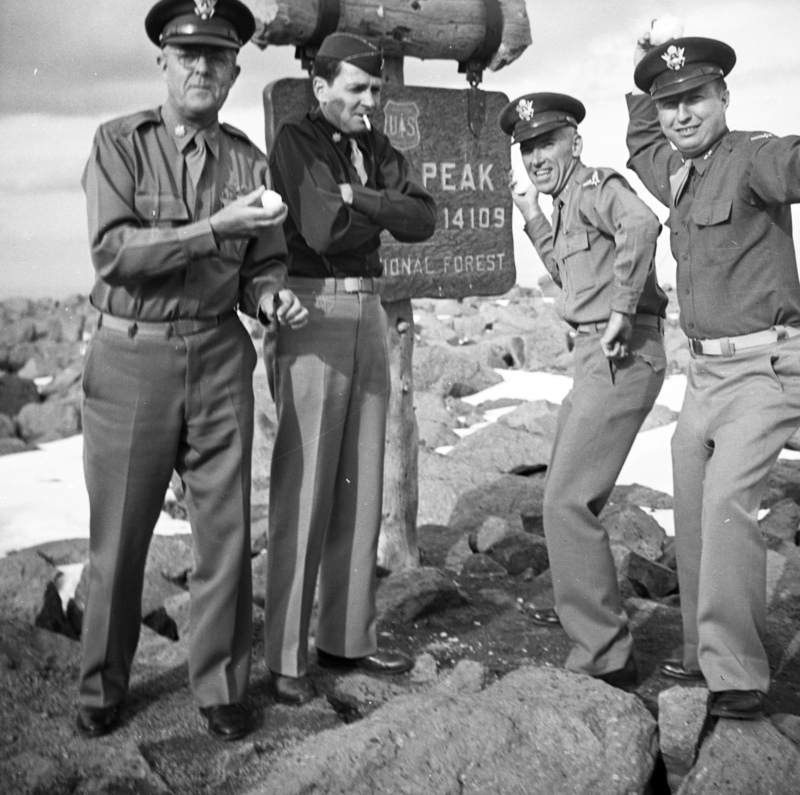
“…when I was handed my separation papers in 1946 I wanted a place to write where the hands of the clock were at ease. No frantic deadlines, no windmills of big-city newspapering” (1949).
And write he did. Gibbs had been a writer most of his life and an enthusiastic storyteller. His pace did not flag upon returning to Moscow.
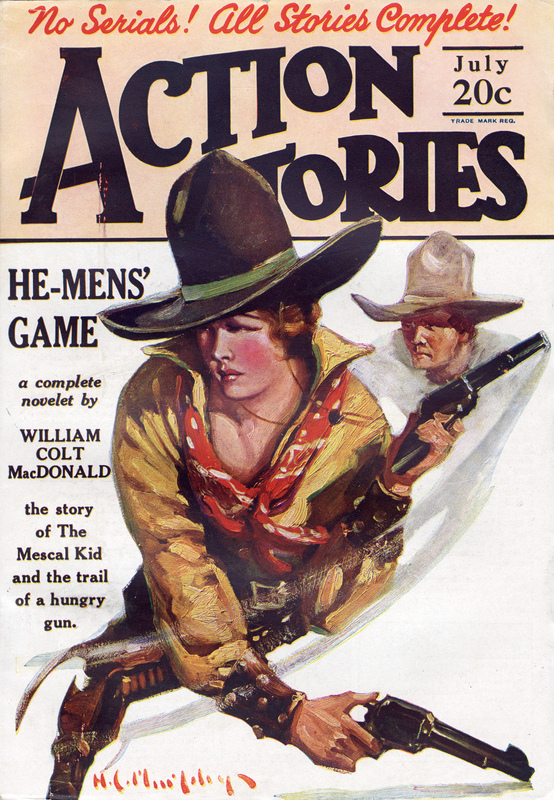
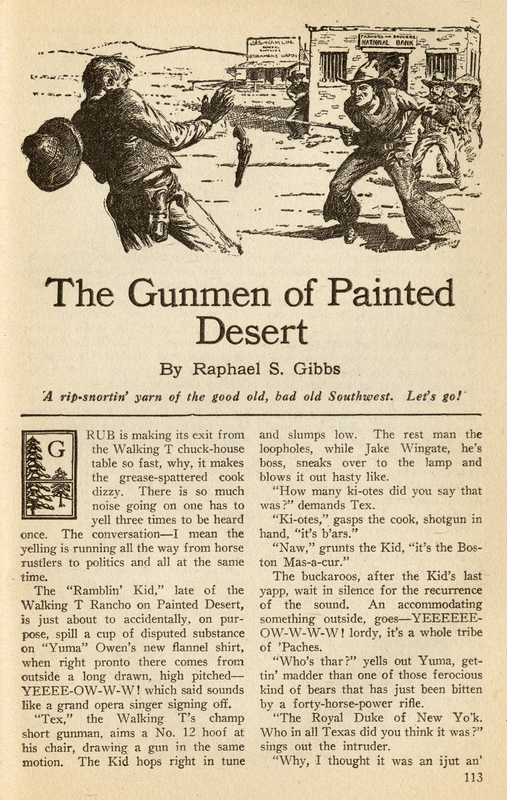
His first story, “The Gunmen of Painted Desert,” sold for $35 when he was 13 (approximately $635 today). Following his initial success with Action Stories, he wrote for a variety of magazines ranging from Argosy, Lincoln-Mercury Times, Popular Mechanics, Flying, Cowboy Stories, and Ranch Romances. His stories boasted energetic titles like “Close ups from Miles Away,” “The World’s Hottest Garbage,” “Potatoes Start a Revolution,” or simpler ones like “My Favorite Town Moscow, Idaho.”
Rafe Gibb’s writing style was both ornate and personal. No matter how large he painted a picture in his stories, they remained familiar, as if the reader was chatting again with him at Moscow’s Owl Drug Store over coffee. He wrote: “Coffee isn’t gulped here. Sort of breathed.”
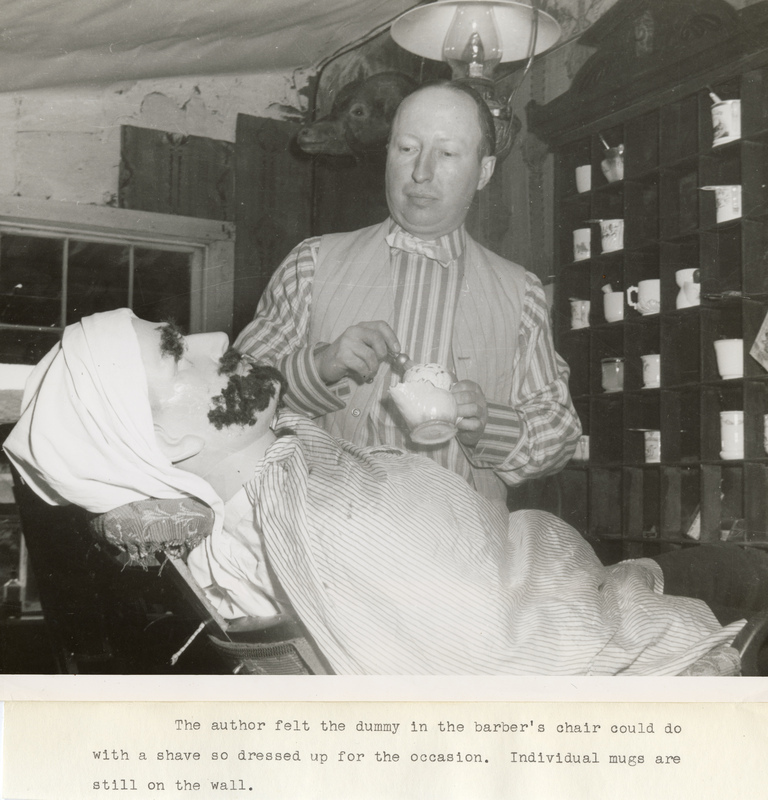
His travels across the country also inspired pieces about towns and regions like Virginia City, Montana. He would on occasion take the article photographs or pose for the photographs himself.

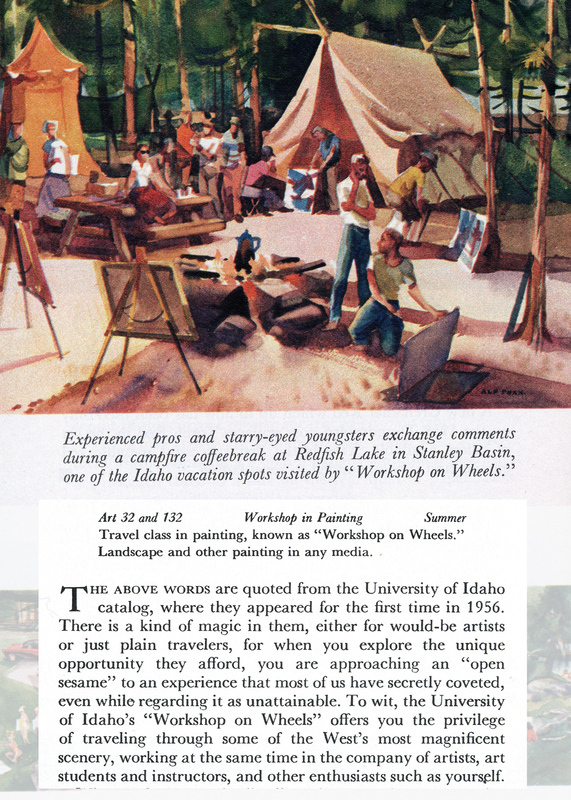
University art professor Alf Dunn illustrated some of Gibbs’ articles like “My Favorite Town.”
Gibbs also penned histories for Idaho, (Beckoning the Bold), the University (Beacon for Mountain and Plain), and for Florida International University (Visibility Unlimited).

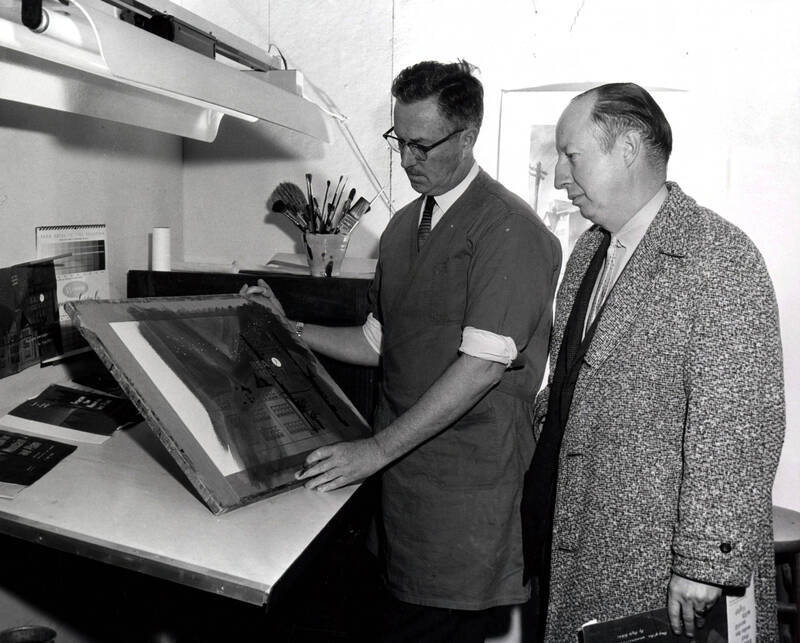
Not long after his retirement from the University in the late 1980s, he donated his papers to the Library’s Special Collections and Archives department. His papers contain copies of magazines he published in, writing, drafts, and research material. Through the collection a reader can see his writing career as well as the work of an alumnus and director who never lost his affection for Moscow and University of Idaho. The final sentence in “My Favorite Town” is “It’s nice to be back.”
Resources
Gibbs, Rafe. “My Favorite Town Moscow, Idaho,” Ford Times, September 1949.